
The true cost of cheap

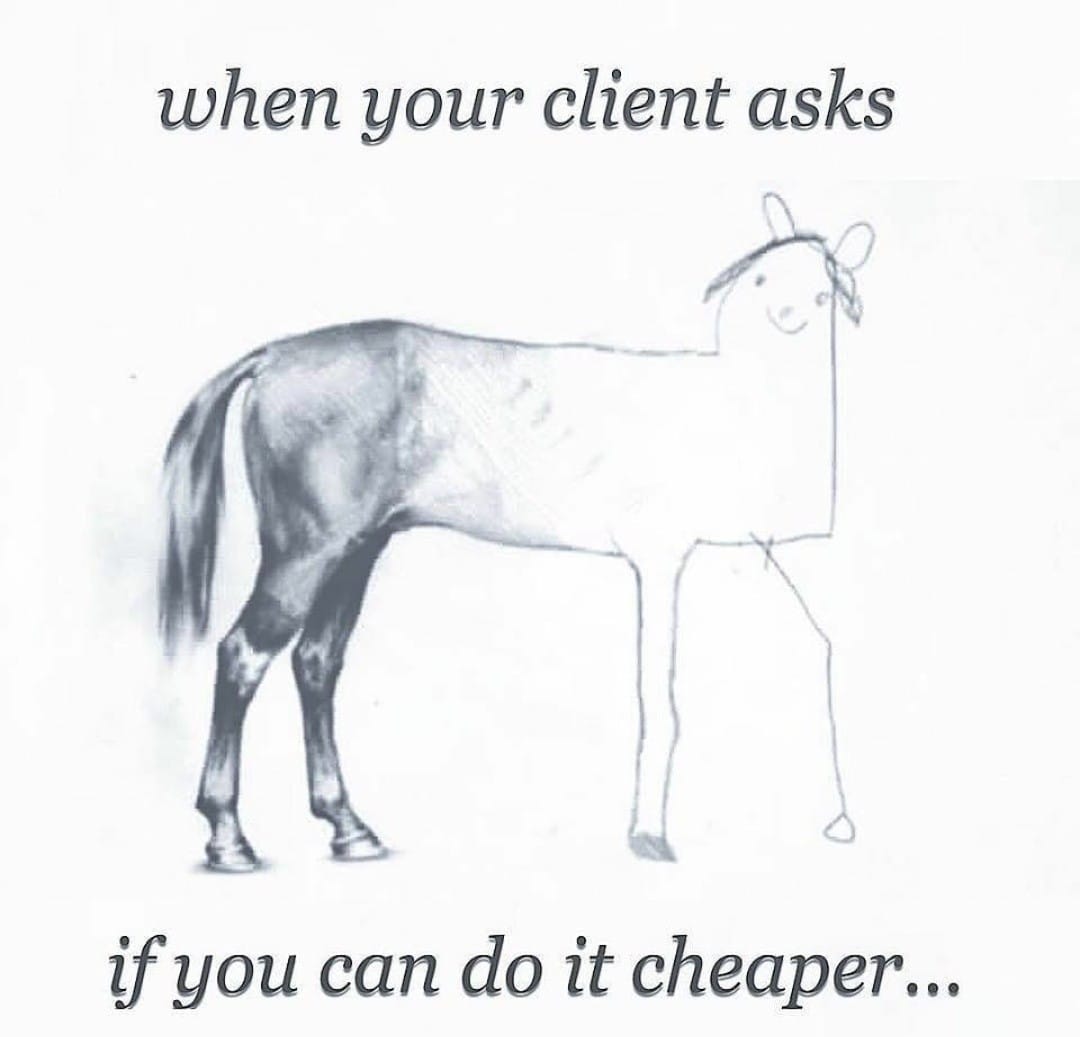
I was told something early in my career that has always stuck with me:
"Everyone wants things Good, Cheap, and Fast, but you can only choose two."
I have found this to be true in many aspects of life, but ESPECIALLY when it comes to software development. So let's break it down:
1.) Good & Fast
If you want high quality software and you need it soon, it's not gonna be cheap. Why? Well, the best people command the highest salaries. So if you want high quality software, it's going to require experienced and talented software engineers. And if you want the best people building your software on a tight timeline, there is also a premium for that - the opportunity cost of pulling those people away from other projects is significant.
2.) Good & Cheap
High quality software on a tight budget. Ah yes, the white whale. It's technically possible, but only in rare circumstances. And it's NEVER happening fast. If someone tells you that they can deliver high quality software at a discounted rate, I would be highly skeptical of the actual quality (more on that later). If they tell you that they can deliver high quality software at a discounted rate, AND they can do it quickly? Try not to laugh, and run away as fast as you can!
3.) Fast & Cheap
I mean, sure. If quality doesn't matter then you can definitely get things done quickly and cheaply. And this can make a lot of sense for prototyping and MVPs, but if you go this route for an actual software product it will end up costing you A LOT more in the long run.
Don't fall for the trap!
It makes sense that going with the lowest quote can be very tempting. Especially when budgets are tight and deadlines are approaching. But only looking at the initial costs and not understanding the bigger picture is a fundamentally flawed approach. Software development is not a commodity. What appears to be cost savings in the short term can come back to haunt you as the software starts to break, can’t scale, or in many cases, never even gets completed. You will end up paying more in the long run when you need to hire someone to fix it. And that's if you're lucky. In most cases, bad software can't just be "fixed." It will need to be rebuilt from scratch.
In the words of Sailor Jerry, "Good work ain't cheap, and cheap work ain't good."
Still skeptical? Keep reading...
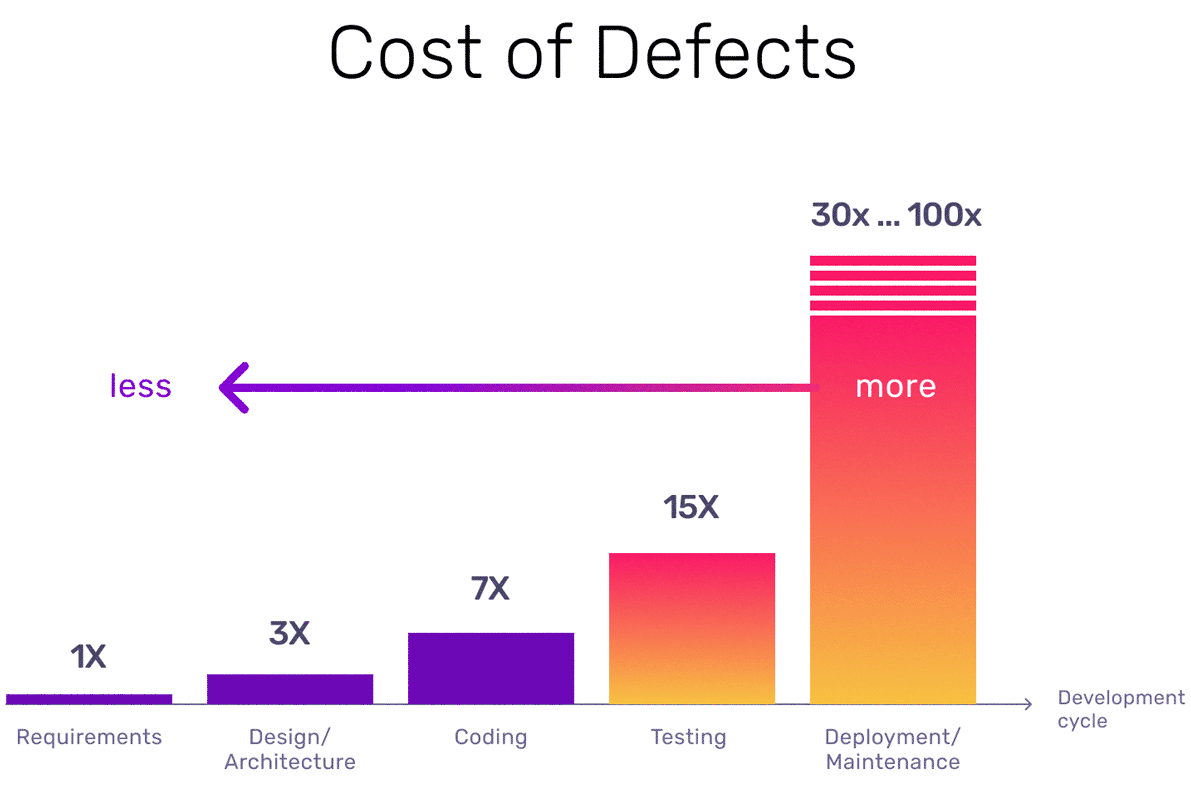
Yes, you read that right. In 2022 alone, U.S. businesses lost $2.14 trillion due to poor quality software. From failed projects and security breaches, to fixing bugs and maintaining outdated systems, cutting corners almost always costs more in the long run and can have disastrous consequences. Here are some real world examples:
- Hertz: Spent $32 million on an outsourced website and app redesign in 2018, but the final product failed to meet basic requirements and had to be scrapped altogether.
- Revlon: Offshored the development of a new ERP system, which failed during rollout and disrupted operations. The breakdown left the company unable to fulfill an estimated $64 million in product shipments.
But wait, there's more!
It's not only bugs and defects though. Here are a few other reasons you might end up regretting that "great deal" you got:
Overpromising of capabilities
Whether it's the skill of the developers themselves, limitations of the technologies being used, or some combination of the two, "overpromising to win the business" is one of the most common problems. An example that I unfortunately experienced myself was hiring a firm that specialized in a"low code" tool to build an MVP at my previous company. Not only did the firm completely mishandle the project, they also were not able to deliver a functioning product at all. And on top of that, because they were using this specific "low code" tool (that should've never been used for our app), once we ended the engagement, our senior software engineer couldn't do anything with it. It required a specialist who understood the specific "low code" tool that had been used! Complete disaster.
Scope creep
Sometimes this happens naturally, but in many cases this is an intentional part of the business model for cheap "dev shops." You get a rock bottom quote initially so it seems like a no-brainer. Then once the work starts they let you know that there will be an additional charge for something that wasn't initially planned. And then they need to add more hours for another thing. And another thing. And it keeps going and going. In many cases, these predatory businesses will just bleed you of all your money in perpetuity until you take action against them.
“Ransom” code
Imagine that the scope creep just keeps going and going. And despite being way over budget, nothing has been delivered or finished. So you tell the dev shop to just hand over your code and you'll go elsewhere to get the app completed. Well guess what? They might decide that you're not getting access to any of the code until you pay them all of the money that they've decided you owe them. Yep, ransom code. It might sound crazy, but it happens all of the time!
At Krumware, we’ve seen what happens when companies try to cut corners and we get brought in to fix the mess. But we’d rather help you avoid it altogether. Hiring an experienced firm like Krumware from the start will ultimately save you time, money, and a lot of frustration down the line!